
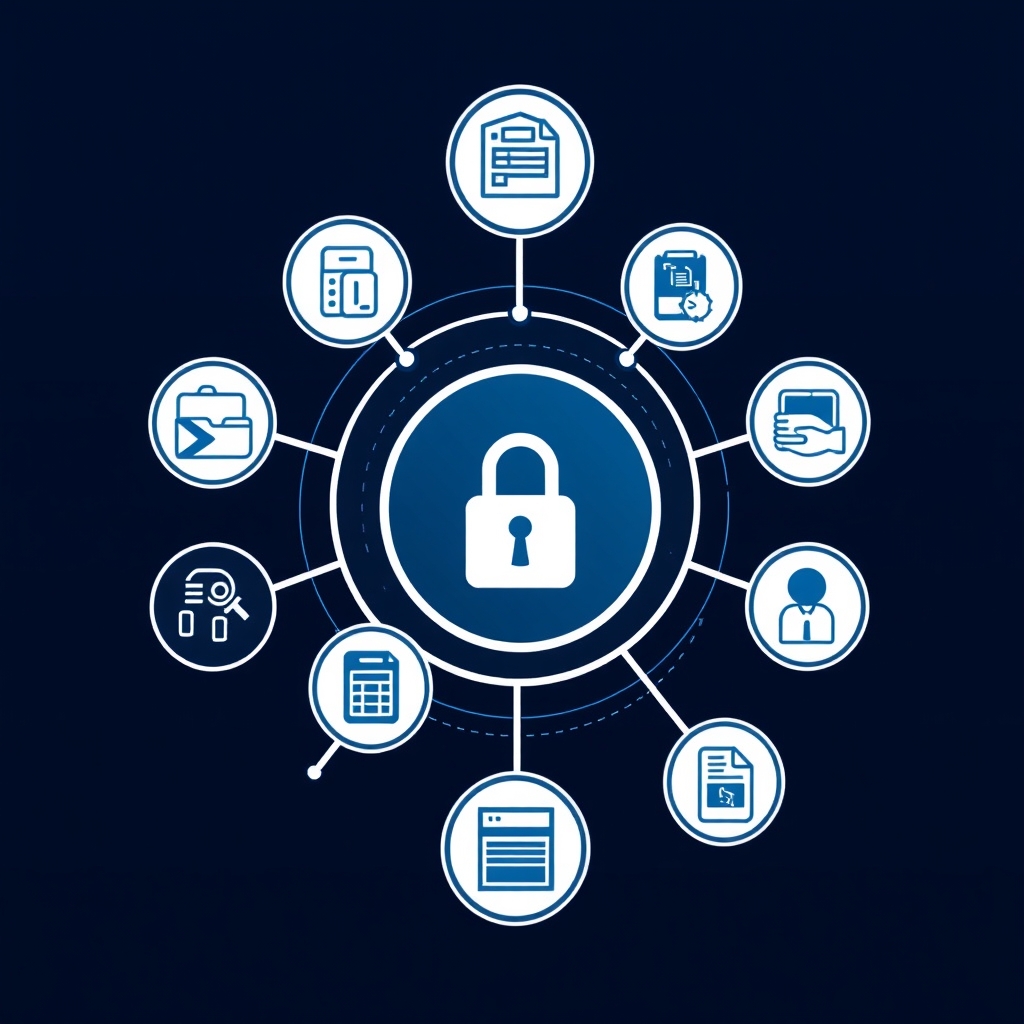
So You Think You're PCI Compliant?
We've all been there - thinking we've got our security ducks in a row, only to find out we're not quite as compliant as we thought. I mean, who hasn't had to deal with a surprise audit or a pesky vulnerability scan that throws everything off? It's like trying to get into a exclusive nightclub - you think you've got the right password, but the bouncer (aka the auditor) says otherwise. Speaking of bouncers, have you ever thought about how OAuth is like a club's VIP list? You've got your tokens, your client IDs, and your secret handshakes... it's all about who's on the list and who's not.
What's New in PCI DSS 4.0?
So, what's changed in the latest version of the Payment Card Industry Data Security Standard (PCI DSS)? Well, for starters, there's a lot more emphasis on identity and access management (IAM). You've got your multi-factor authentication (MFA), your role-based access control (RBAC), and your password policies... it's like trying to keep track of who's who in a big game of identity musical chairs. We've got to make sure the right people have access to the right resources, and that we're not leaving any doors open to potential attackers. I mean, who wants to be the one responsible for a data breach? Not me, that's for sure.
Identity Requirements Breakdown
Here's a quick rundown of the new identity requirements in PCI DSS 4.0:
- MFA for all access to the cardholder data environment (CDE)
- RBAC to ensure least privilege access
- Password policies that include complexity, rotation, and storage requirements
- Secure authentication protocols, like TLS and OAuth
- Regular reviews and updates of access controls and identity management processes
So What's the Deal with MFA?
MFA is like having a superpower - it's an extra layer of security that makes it way harder for attackers to get in. You've got your something you know (password), your something you have (token), and your something you are (biometric)... it's like a triple threat of security. But, let's be real, MFA can be a pain to implement and manage. I mean, who hasn't had to deal with a user who's locked out of their account because they lost their token or forgot their password? It's like trying to get into a house with a fancy lock - you need the right key, or you're stuck outside. > [!TIP] Pro tip: Use a MFA solution that includes a user-friendly interface and automated password reset features. Trust me, your users (and your help desk) will thank you.
OAuth and Identity - A Match Made in Heaven?
OAuth is like a special kind of token that lets you access certain resources without having to share your password. It's like a wristband that gets you into the VIP section - you don't need to show your ID, your wristband. But, OAuth can be tricky to implement, especially when it comes to identity management. You've got to make sure you're using the right flows, the right scopes, and the right tokens... it's like trying to solve a puzzle blindfolded. > [!WARNING] Watch out for OAuth vulnerabilities, like token leakage or replay attacks. You don't want to be the one responsible for a security breach because of a misconfigured OAuth flow.
When to Use OAuth vs Other Auth Protocols
Here's a quick comparison of OAuth vs other authentication protocols:
| Protocol | Use Case | Pros | Cons |
|---|---|---|---|
| OAuth | API access, third-party apps | Secure, flexible, widely adopted | Complex, vulnerable to token leakage |
| OpenID Connect | Single sign-on, identity management | Simple, secure, widely adopted | Limited flexibility, dependent on OpenID provider |
| SAML | Single sign-on, identity management | Secure, widely adopted, flexible | Complex, dependent on SAML provider |
The Bottom Line
blockquote PCI DSS 4.0 identity requirements are all about securing the perimeter and making sure the right people have access to the right resources. It's like building a fortress - you need strong walls, secure gates, and a solid identity management system to keep the bad guys out. So, what's the takeaway? Implement MFA, use OAuth and other secure authentication protocols, and make sure you're regularly reviewing and updating your access controls and identity management processes. Easy peasy, right?
Quick Recap
Here are the key takeaways from this article:
- PCI DSS 4.0 emphasizes identity and access management
- MFA is required for all access to the CDE
- OAuth and other secure authentication protocols are recommended
- Regular reviews and updates of access controls and identity management processes are crucial
- Implementing IAM solutions can be complex, but it's worth it in the end
Final Thoughts
Implementing PCI DSS 4.0 identity requirements is like solving a puzzle - it takes time, effort, and patience. But, trust me, it's worth it. You don't want to be the one responsible for a data breach because of a weak identity management system. So, take the time to get it right, and don't be afraid to ask for help along the way. And remember, security is like a game of whack-a-mole - you've got to stay on top of it, or the bad guys will find a way in. > [!NOTE] Helpful context: PCI DSS 4.0 is the beginning - there are always new security threats and vulnerabilities emerging. Stay vigilant, and stay secure!